District of Columbia is a single city of 672,079 people, so there is no list of counties or towns to sort through. Every home here falls under the same District agencies, which makes it simpler to know where to turn for help paying for a stair lift.
This page walks through the lift types we install, what the District's numbers say about who needs them, and five programs that can lower the cost. If you are helping a parent stay in their home, or planning for your own, start here and then call the program that fits.
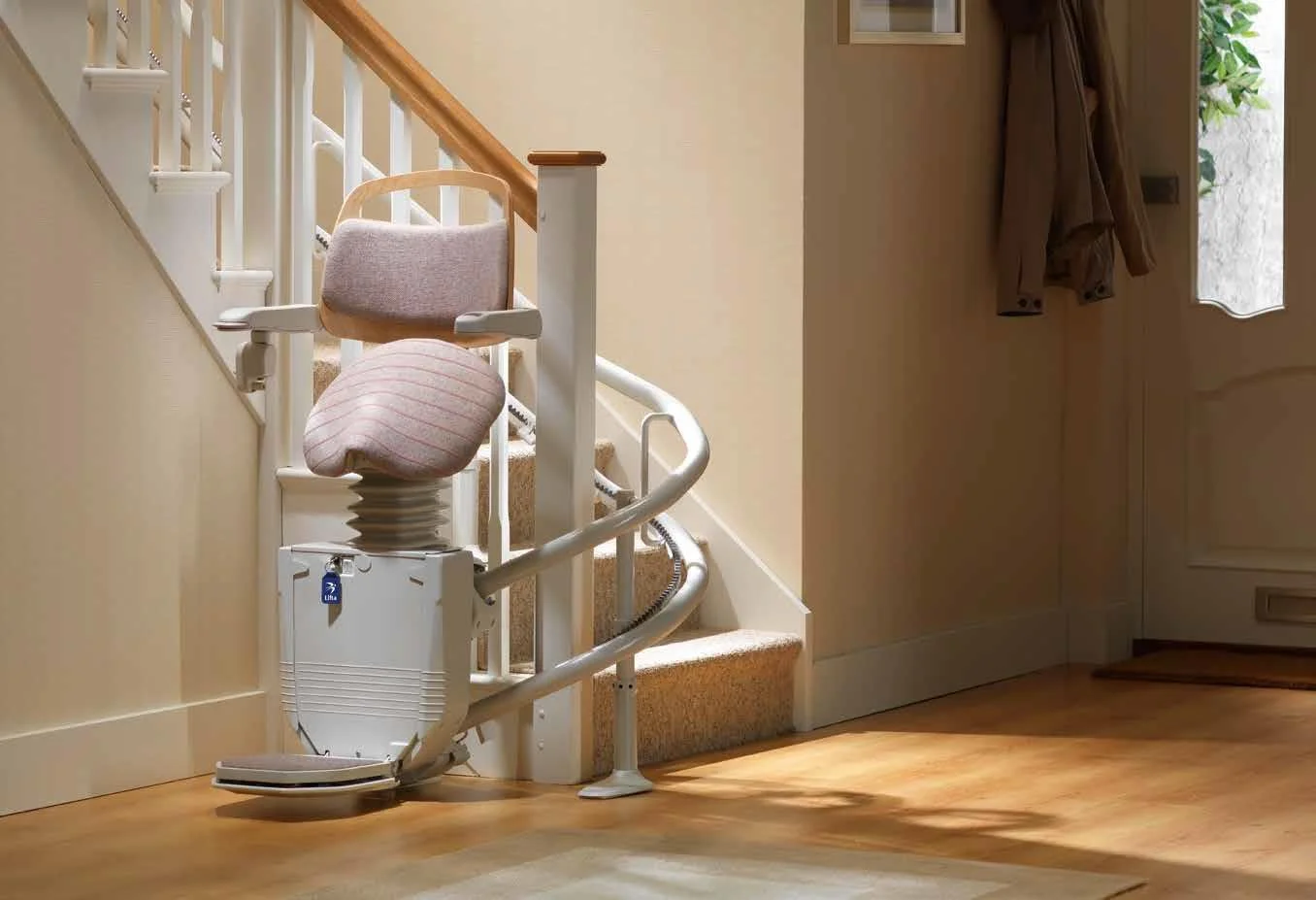
A straight stair lift runs on a single rail along one flight with no turns or landings. It is the quickest to install and usually the least expensive option.
If the stairs turn, wrap around a landing or curve, the rail has to be custom built to follow them. That takes more measuring and more lead time, so we look at the staircase in person before quoting.
Steps up to a front door or a porch can take an outdoor lift built to handle weather. For someone who uses a wheelchair and cannot transfer to a seat, a platform lift carries the chair itself.
About 12.7% of District residents are 65 or older. That is the group most likely to start avoiding the stairs after a fall, a surgery or a new diagnosis.
If your parent served, check VA benefits early, since they can cover the lift itself when it is medically prescribed.
Only 41.1% of District households own their home. That matters, because a stair lift is bolted to the stair treads and most owners will want a say before one goes in.
If you rent, talk with the landlord before you order anything. Owners have more freedom to install and can also look at the District's senior property tax relief to free up cash.
The DC Safe at Home Program is the first call for many seniors, since it offers fall-prevention grants of up to $6,000 per residence that can fund stair lift installation. Medicaid's EPD Waiver can treat the lift as a home modification under an approved plan of care.
If a grant does not cover everything, the DC Assistive Technology Program offers loans of $300 to $10,000 at 0% to 3% interest. Veterans have their own route through VA Prosthetics. Each program is summarized below with its phone number.
District fall-prevention grants of up to $6,000 per residence that fund stair lift installation for seniors. Call (202) 724-5626.
A DC Medicaid home and community-based waiver that covers home accessibility modifications, with stair lifts handled as a home modification and no fixed cap beyond the approved plan of care. Call (202) 724-5626.
Low-interest District loans from $300 to $10,000, at 0% to 3% interest, that can be used to buy and install a stair lift. Call (202) 527-7036.
VA Prosthetics (PSAS) can cover a medically prescribed stair lift with no set dollar cap, while HISA grants of $6,800 (service-connected) or $2,000 (non-service-connected) cover ramps and structural changes, not the lift. Call (877) 222-8387.
Property tax relief and a credit that vary by tax liability and income; they do not pay for a stair lift directly but can free up household cash for accessibility costs. Call (202) 727-4829.
Yes. The DC Safe at Home Program offers fall-prevention grants of up to $6,000 per residence that fund stair lift installation. Call (202) 724-5626 to ask about eligibility.
The EPD Waiver covers home accessibility modifications, and a stair lift can be included as a home modification. There is no fixed cap; the amount follows the approved plan of care. The number is (202) 724-5626.
The DC Assistive Technology Program offers loans from $300 to $10,000 at 0% to 3% interest to buy and install a stair lift. Call (202) 527-7036.
Both can be covered, through different parts of the VA. VA Prosthetics (PSAS) can provide a medically prescribed stair lift, while HISA pays for ramps and structural changes. Call (877) 222-8387.
Not directly. The DC Senior Citizen Property Tax Relief and Schedule H Credit lower what you owe, which can leave more money for accessibility costs. Call (202) 727-4829.
A stair lift is fastened to the stairs, so get the landlord's approval before ordering one. Ask any program you apply to whether renters qualify.
Tell us about the stairs in your home and we will explain which lift fits, what it costs and how installation works.
